After the first conversation: does asking for help lead to support? World Suicide Prevention Day, 10 September 2026
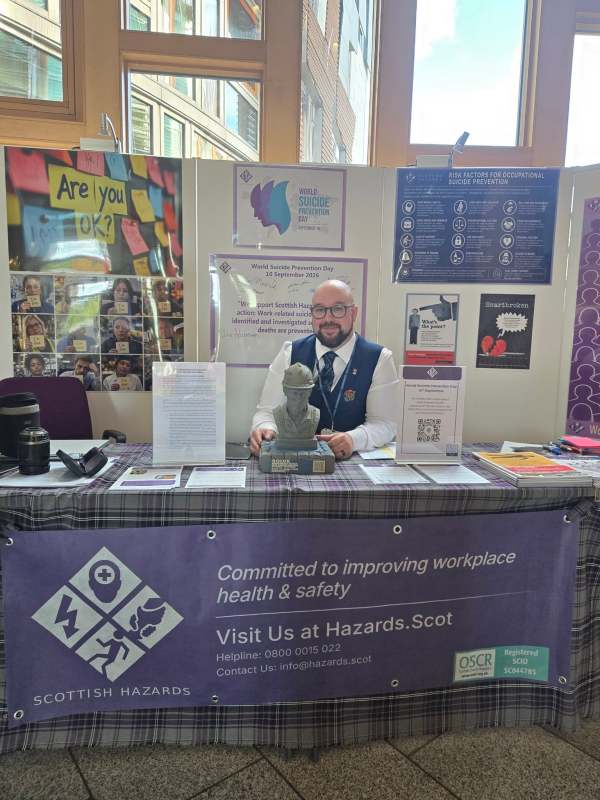
We encourage people to ask for help, but what happens when they do? On World Suicide Prevention Day, I explore Scotlandโ€™s support pathways and propose research into who receives appropriate care, whether it helps, and what happens to those whose needs remain unmet. A referral is not the same as receiving care. Suicide prevention cannot end with the first conversation.

Through the (Medical) Scanner Darkly

Surveillance technologies are rapidly transforming mental health care, promising safety but delivering complex ethical challenges. Drawing on Griffiths et al. (2024) and Foucaultโ€™s concept of the panopticon, this reflection considers whether โ€œsmart wardsโ€ enhance care or merely extend institutional control. In an age of data-driven vigilance, the question is not how much more we can see, but whether we still understand what we are looking at.

World Suicide Prevention Day: Life Events, Loss, and the Work Ahead

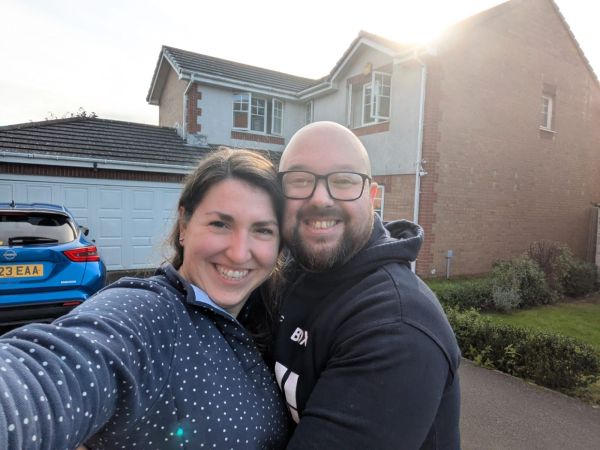
Moving house is one of lifeโ€™s big transitions. Boxes, memories, and a long to-do list. For most, itโ€™s stressful but manageable. For others, especially those already carrying heavy burdens, such major life events can act as tipping points.Today, on National Suicide Prevention Day, I find myself in the middle of one of those life transitions.... Continue Reading →

What Future for the Humanities in Britain? My Friends – Do Not Go Gently Into That Good Night!

We are facing a culling of creative arts, and it terrifies me. Currently, I work as an Occupational Health Researcher and Suicidologist at the University of Glasgow within the School of Health and Wellbeing, but I never aimed to be in medicine. Initially, I trained as a historian. My undergraduate and masterโ€™s degrees were based... Continue Reading →

Chatbots, Suicide, and the Rage against the Machine

This week The Independent went with a headline declaring that AI chatbots are โ€œpushing people towards mania, psychosis and death โ€“ and OpenAI doesnโ€™t know how to stop it.โ€ Itโ€™s dramatic, designed to shock. But it misses the point that while AI has tremendous potential to cause harm, correlation is not causation, nor is the... Continue Reading →

From Backlog to Breakdown: Nurse Suicides, the NMC, and the Urgent Need for Dignified Support

In late July, Nursing Times broke a story that made me go cold. The Nursing and Midwifery Council (NMC) is under pressure after several nurses died by suicide during lengthy โ€œfitness to practiseโ€ (FtP) investigations. This isnโ€™t a minor procedural hiccup. Itโ€™s a system so sluggish and adversarial that it actively compounds distress. Nurses have... Continue Reading →

Bouncing Back from Academic Rejection (Without Punching a Wall)

By Dr Simon H. Walker โ€œMy inbox, basically.โ€ Another โ€œThanks, but no thanks.โ€ Promotion rejected. Funding application rejected. Job application rejected โ€” again. I wish I could say Iโ€™m writing this purely as a researcher, analysing other peopleโ€™s woes from a safe distance. Nope. Iโ€™m writing as someone knee-deep in rejection emails myself. At this... Continue Reading →

Malingering in the Modern Military: The Hidden Struggle Behind Military Medical Avoidance

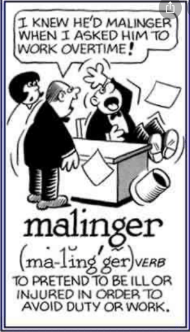
I was recently asked by a valued colleague if within the modern military historic understanding of malingering is still applicable: I argue yes, and that Social Media response turned into this article (again - oops) In 2003, Staff Sergeant Georg-Andreas Pogany, an interrogator with the U.S. Armyโ€™s Green Berets in Iraq, witnessed the gruesome aftermath... Continue Reading →

Suicide and the New Year

The New Year is often viewed as a time of joy and celebration, but for some individuals, it can highlight feelings of isolation and distress. While there is a common belief that suicides may rise during this period, research shows no significant increase in suicide rates on New Yearโ€™s Eve or Day. Instead, major holidays may even see a decrease in suicides. Emotional distress and loneliness can intensify post-holiday, but support networks and coping strategies are crucial. Itโ€™s vital to seek help from friends, family, or professionals, as struggles with mental health do not follow a specific timeline. Empathy and understanding are essential year-round.

Neurodiversity, Suicide, and Occupational Health in Scotland – SOM Conference

Neurodiversity, Suicide, and Occupational Health in Scotland - SOM Conference Recently I delivered this talk as a guest of the Society of Occupational Medicine, the given talk included a number of personal anecdotes which are not included here. Iโ€™m Dr. Simon Harold Walker, Senior Research Lead at the Healthy Working Lives Group at the University... Continue Reading →

Website Powered by WordPress.com.

Up ↑