What did British and Allied soldiers actually eat during the First World War, and would you have wanted to eat it?
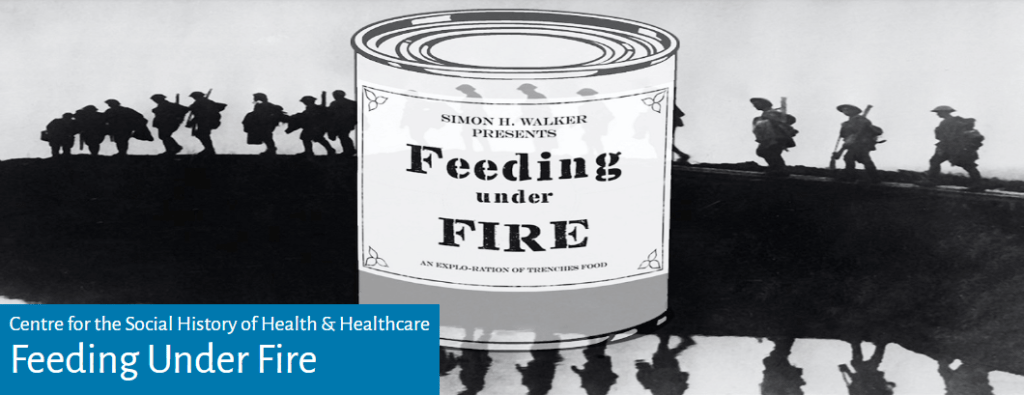
Feeding Under Fire is an educational YouTube series created and presented by Si Walker. Each episode takes a trench recipe or part of the military diet, explores the evidence and soldiers’ experiences, then attempts to cook and eat the result.
The series has been used in Glasgow schools and public-history teaching. All released episodes are collected below, with the original videos, thumbnails and short guides to what each one covers.
Series trailer
Watch every episode
1. Hard Tack
Si makes the soldier’s biscuit while examining how hard tack was supplied, prepared and endured during the First World War.
2. Trench Pie
A trench recipe becomes a way into the practical realities of cooking, improvising and eating close to the front line.
3. Jam
Jam was familiar, important and not always welcome. This episode explores its place in the ration system, with a cooking attempt that does not quite go to plan.
4. Trench Pudding
Dripping, lemon and crushed hard tack meet in a version of trench duff. The result is historically revealing, even when it is not especially appetising.
5. French Soldiers’ Food
A look at French ration cooking, including rata, and the differences in food culture across Allied armies.
6. Officers’ Food
Food reveals rank. This episode looks at officers’ access to personal supplies, cooks, dining and alcohol, and the inequalities built into military life.
7. Breakfast
Tripe, morning rations and the question of what counted as a sustaining breakfast for soldiers in wartime.
8. Medicinal Food
The series finale turns to food as medicine and care, connecting trench diet with military medical history.
Drinking Under Fire: Tea
Tea was ritual, morale and daily necessity. This short episode explores why a hot drink mattered so much in military life.
For teachers: each video can stand alone or be used as a route into soldiers’ testimony, ration systems, class, medicine, morale and the everyday experience of the First World War.

