Learning to say no is sensible advice. But how realistic is it when your next contract is uncertain? A personal and evidence-based look at job insecurity, mental health and academic workloads.
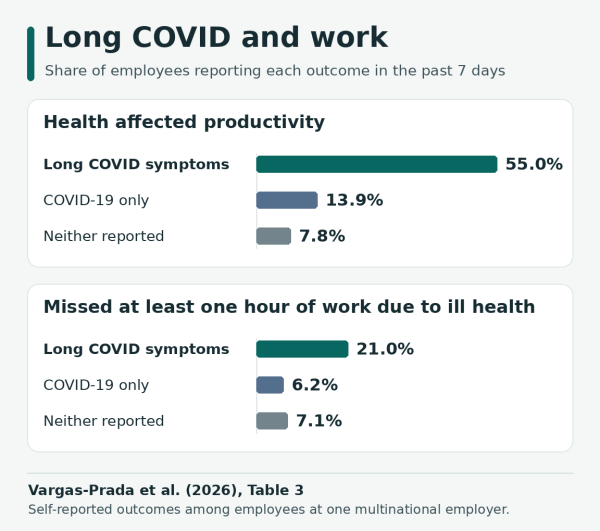
What Long COVID means for working life: New Research by the University of Glasgow (HWLG)
Our study of employees in the UK, India and Brazil found that Long COVID symptoms were associated with difficulties at work and more sickness absence.
Making connections count in research
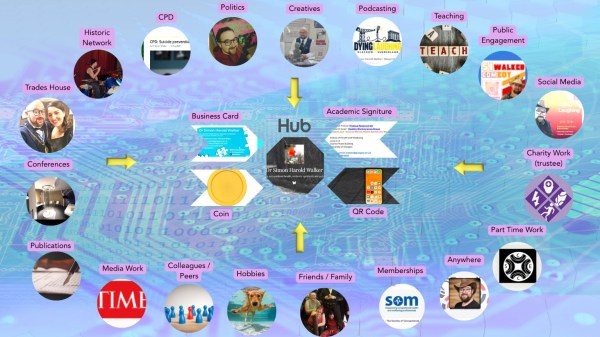
Networking matters to research, but it can feel difficult. Following Medical Research UK fellowship training, Dr Si Walker shares his website-centred approach and six golden rules for making connections count.
Putting the Development Back into CPD: Pedagogy, Technology and a Little Imagination
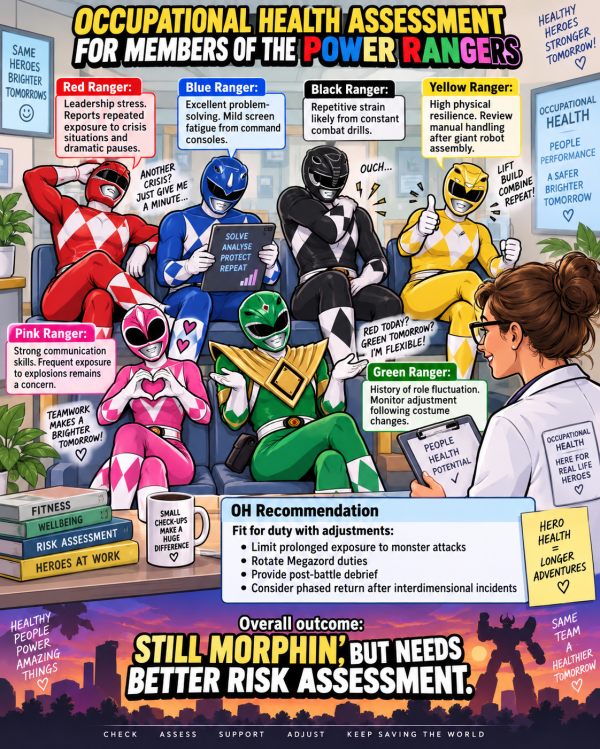
What makes continuing professional development genuinely effective? Drawing on my work redesigning occupational health education at the University of Glasgow, I explore how pedagogy, interactive technology and a little imagination can make learning more engaging, accessible and relevant to professional practice. From digital workplace simulations to occupational health assessments for the Power Rangers, sometimes the best way to learn is by doing.
Hello :)
I am Dr Simon H. Walker, a researcher at the University of Glasgow working across occupational health, suicide prevention, workplace mental health, and evidence synthesis. My work focuses on how workplaces, institutions, and communities can better recognise and respond to distress before crisis point. I am particularly interested in suicide prevention beyond traditional clinical settings,... Continue Reading →
Through the (Medical) Scanner Darkly
Surveillance technologies are rapidly transforming mental health care, promising safety but delivering complex ethical challenges. Drawing on Griffiths et al. (2024) and Foucaultโs concept of the panopticon, this reflection considers whether โsmart wardsโ enhance care or merely extend institutional control. In an age of data-driven vigilance, the question is not how much more we can see, but whether we still understand what we are looking at.
What Future for the Humanities in Britain? My Friends – Do Not Go Gently Into That Good Night!
We are facing a culling of creative arts, and it terrifies me. Currently, I work as an Occupational Health Researcher and Suicidologist at the University of Glasgow within the School of Health and Wellbeing, but I never aimed to be in medicine. Initially, I trained as a historian. My undergraduate and masterโs degrees were based... Continue Reading →
Chatbots, Suicide, and the Rage against the Machine
This week The Independent went with a headline declaring that AI chatbots are โpushing people towards mania, psychosis and death โ and OpenAI doesnโt know how to stop it.โ Itโs dramatic, designed to shock. But it misses the point that while AI has tremendous potential to cause harm, correlation is not causation, nor is the... Continue Reading →
Journalistic Ghosting – Cruel, Cowardly, or (par the) Course
Over the last few months, Iโve sent out multiple carefully written, relevant op-eds to major publications Iโve previously worked withโon suicide prevention, AI, and Scottish heritage. Not a single response. This piece explores the emotional and professional impact of that silence. It reflects on gatekeeping, merit vs. luck, and how editorial ghosting can chip away at self-worth. I draw parallels to stand-up comedyโanother space where access often depends more on contacts than quality. Despite the silence, I keep writing. This is a message to others still pitching into the void: I see you. Youโre not alone. Keep going.
Bouncing Back from Academic Rejection (Without Punching a Wall)
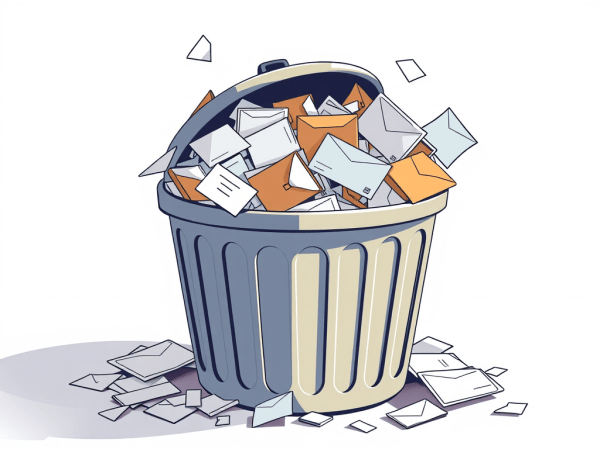
By Dr Simon H. Walker โMy inbox, basically.โ Another โThanks, but no thanks.โ Promotion rejected. Funding application rejected. Job application rejected โ again. I wish I could say Iโm writing this purely as a researcher, analysing other peopleโs woes from a safe distance. Nope. Iโm writing as someone knee-deep in rejection emails myself. At this... Continue Reading →