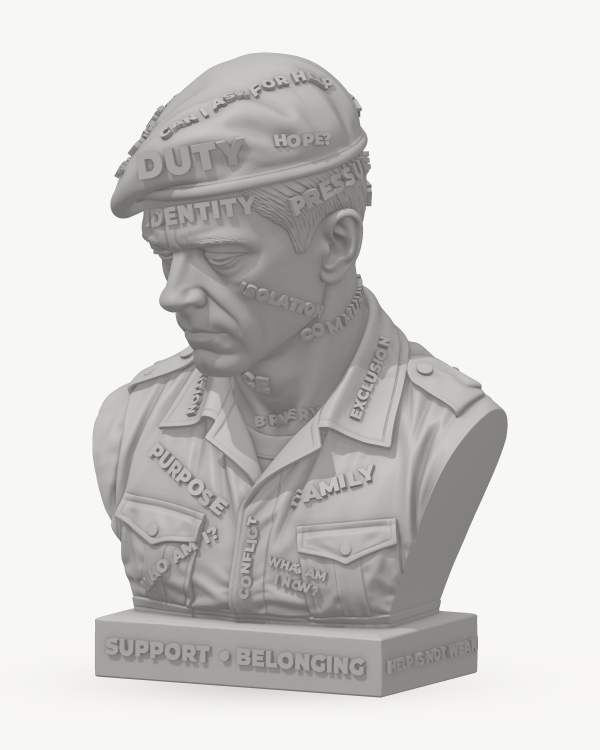
A new military mental health bust for the Scottish Mental Health Arts Festival at the Byres Community Hub, connecting military history, suicide prevention and our current CRSU veteran mental health research.
Putting the Development Back into CPD: Pedagogy, Technology and a Little Imagination
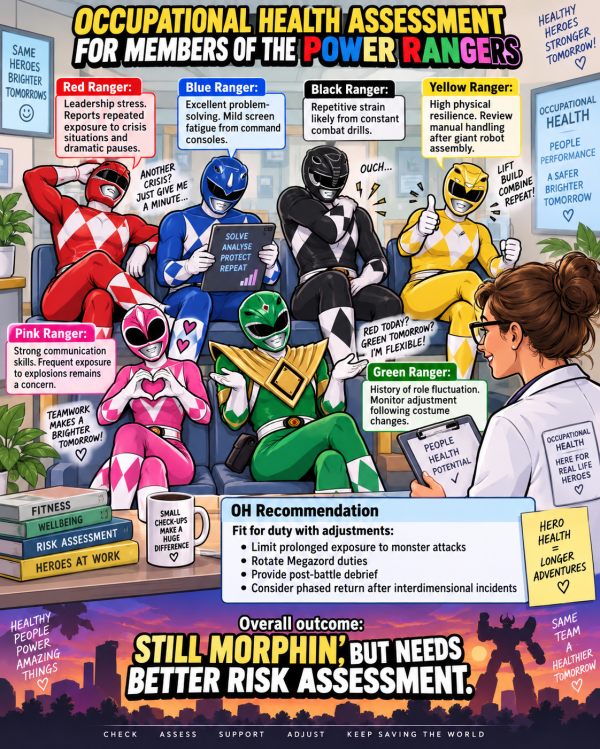
What makes continuing professional development genuinely effective? Drawing on my work redesigning occupational health education at the University of Glasgow, I explore how pedagogy, interactive technology and a little imagination can make learning more engaging, accessible and relevant to professional practice. From digital workplace simulations to occupational health assessments for the Power Rangers, sometimes the best way to learn is by doing.
Dying Laughing and mental health in the gig economy
For a comedian, gig work is fairly literal. The audience sees the minutes on stage but built around that performance is hours of writing, travelling, agonising, chasing bookings and, at least for most non-superstar comedians, working out the cost of performing. Applause and laughter is amazing, but it remains surprisingly difficult to use at the... Continue Reading →
After the first conversation: does asking for help lead to support? World Suicide Prevention Day, 10 September 2026
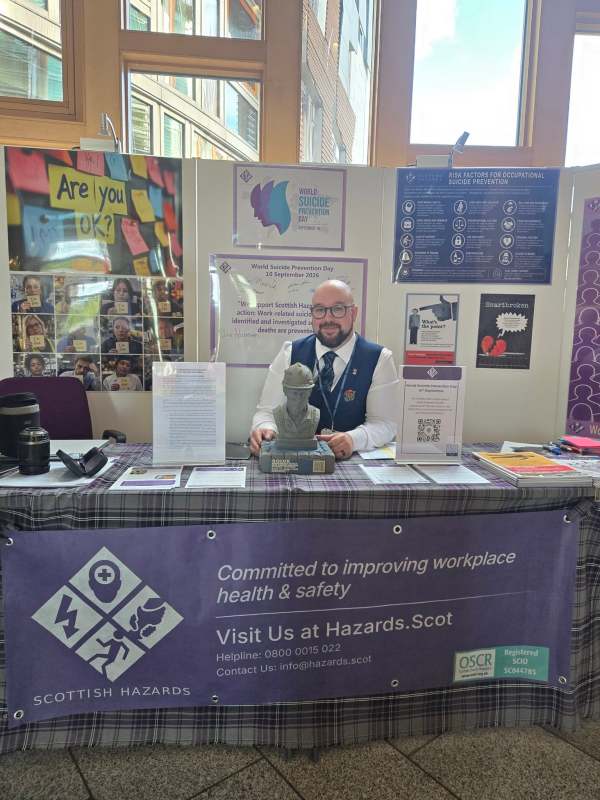
We encourage people to ask for help, but what happens when they do? On World Suicide Prevention Day, I explore Scotlandโs support pathways and propose research into who receives appropriate care, whether it helps, and what happens to those whose needs remain unmet. A referral is not the same as receiving care. Suicide prevention cannot end with the first conversation.
Hello :)
I am Dr Simon H. Walker, a researcher at the University of Glasgow working across occupational health, suicide prevention, workplace mental health, and evidence synthesis. My work focuses on how workplaces, institutions, and communities can better recognise and respond to distress before crisis point. I am particularly interested in suicide prevention beyond traditional clinical settings,... Continue Reading →
“Always Look on the Bright Side of Life” – Nurse Suicide, Personal Loss, and Future Prevention.
Copywrite - Nickdelves.co.uk 16 years ago, I lost a friend/family member to suicide. Today is her birthday, and I wanted to honour her with some memories and a discussion of the work I now do - namely suicide research and prevention. I am not arrogant enough to think that I could have done anything, but... Continue Reading →
Through the (Medical) Scanner Darkly
Surveillance technologies are rapidly transforming mental health care, promising safety but delivering complex ethical challenges. Drawing on Griffiths et al. (2024) and Foucaultโs concept of the panopticon, this reflection considers whether โsmart wardsโ enhance care or merely extend institutional control. In an age of data-driven vigilance, the question is not how much more we can see, but whether we still understand what we are looking at.
World Suicide Prevention Day: Life Events, Loss, and the Work Ahead
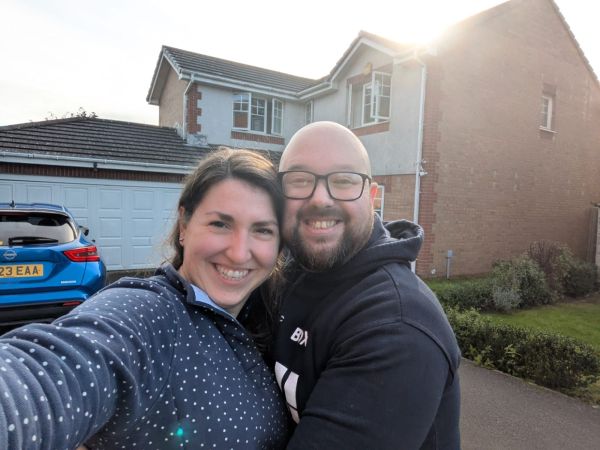
Moving house is one of lifeโs big transitions. Boxes, memories, and a long to-do list. For most, itโs stressful but manageable. For others, especially those already carrying heavy burdens, such major life events can act as tipping points.Today, on National Suicide Prevention Day, I find myself in the middle of one of those life transitions.... Continue Reading →
What Future for the Humanities in Britain? My Friends – Do Not Go Gently Into That Good Night!
We are facing a culling of creative arts, and it terrifies me. Currently, I work as an Occupational Health Researcher and Suicidologist at the University of Glasgow within the School of Health and Wellbeing, but I never aimed to be in medicine. Initially, I trained as a historian. My undergraduate and masterโs degrees were based... Continue Reading →
Chatbots, Suicide, and the Rage against the Machine
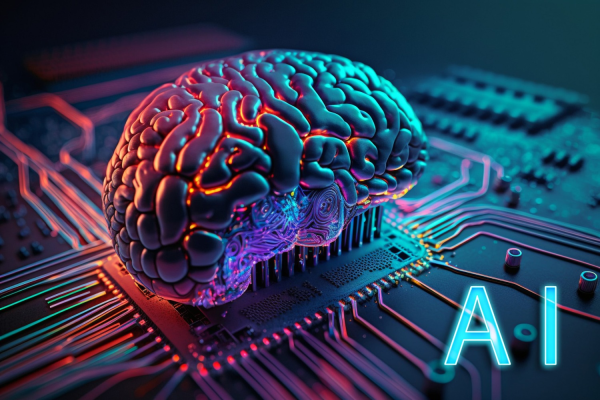
This week The Independent went with a headline declaring that AI chatbots are โpushing people towards mania, psychosis and death โ and OpenAI doesnโt know how to stop it.โ Itโs dramatic, designed to shock. But it misses the point that while AI has tremendous potential to cause harm, correlation is not causation, nor is the... Continue Reading →