

Nurse suicide is a recognisable issue both within the UK and Worldwide. Nurses in Scotland, like their counterparts in other parts of the UK, are at a heightened risk of suicide compared to the general population. Studies across the UK show that nurses are often at a higher risk due to several factors, including emotional burnout, exposure to trauma, and easy access to lethal means. Data from Public Health Scotland and other UK sources indicate that nurses, particularly female nurses, are at greater risk of experiencing mental health issues and suicidal thoughts compared to other professions. Research has shown that healthcare professionals, including nurses, have a significantly higher rate of suicide than the general public. In fact, studies by the Office for National Statistics (ONS) found that female nurses are 23% more likely to die by suicide compared to women in other occupations (Office for National Statistics)(Public Health Scotland).
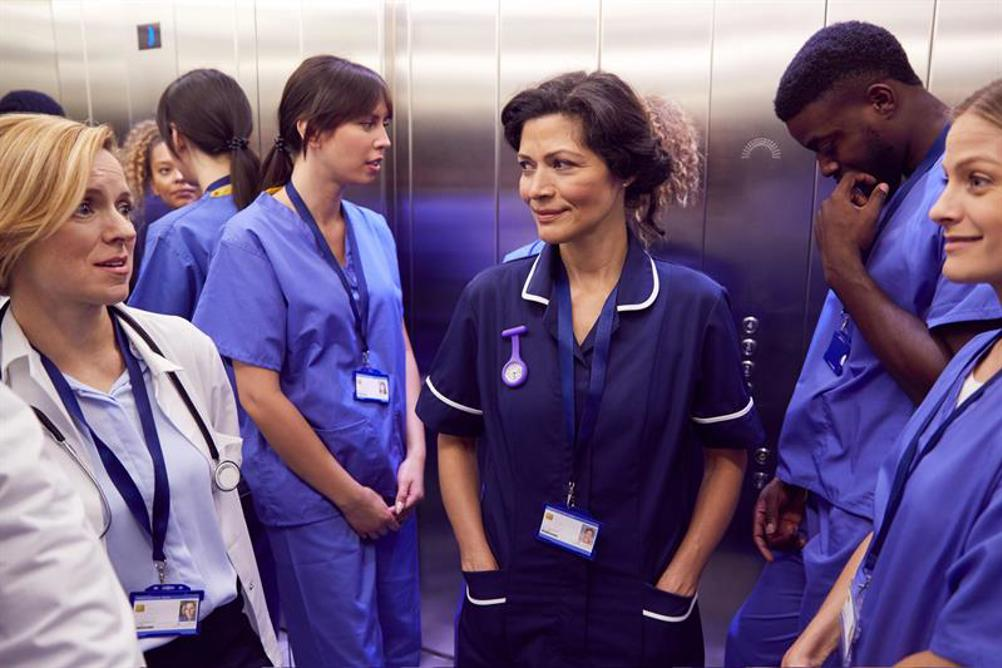
Image Source – IndependentNursing
Additionally, findings from the Scottish Suicide Information Database (ScotSID) highlight that many healthcare professionals who completed suicide had contact with healthcare services prior to their deaths, underscoring the need for targeted mental health interventions (Public Health Scotland).
The RESUME project is a prospective comprehensive research study focused on suicide rates among Scottish nurses from 1980 to 2024. It aims to investigate the patterns, risk factors, and systemic issues contributing to suicidality within this group. By analyzing decades of data, the study seeks to uncover the unique challenges faced by nurses in Scotland, including those working in rural and isolated areas, and to provide insights into how occupational pressures, mental health stigma, and access to means contribute to suicide risk.

Source – https://resumeuk.org/
The project is groundbreaking in its scope, focusing specifically on Scottish nurses and aiming to inform suicide prevention strategies that are tailored to this profession. Through its findings, the RESUME study hopes to improve mental health support for nurses, highlight institutional gaps, and drive policy change within the NHS and broader healthcare system. The need for this research has been underscored by rising suicide rates among healthcare professionals, particularly nurses, who often work under extreme emotional and physical stress with limited mental health support.
As is often the case for discussions of suicide, individual experiences such as that of Brenda Eadie.
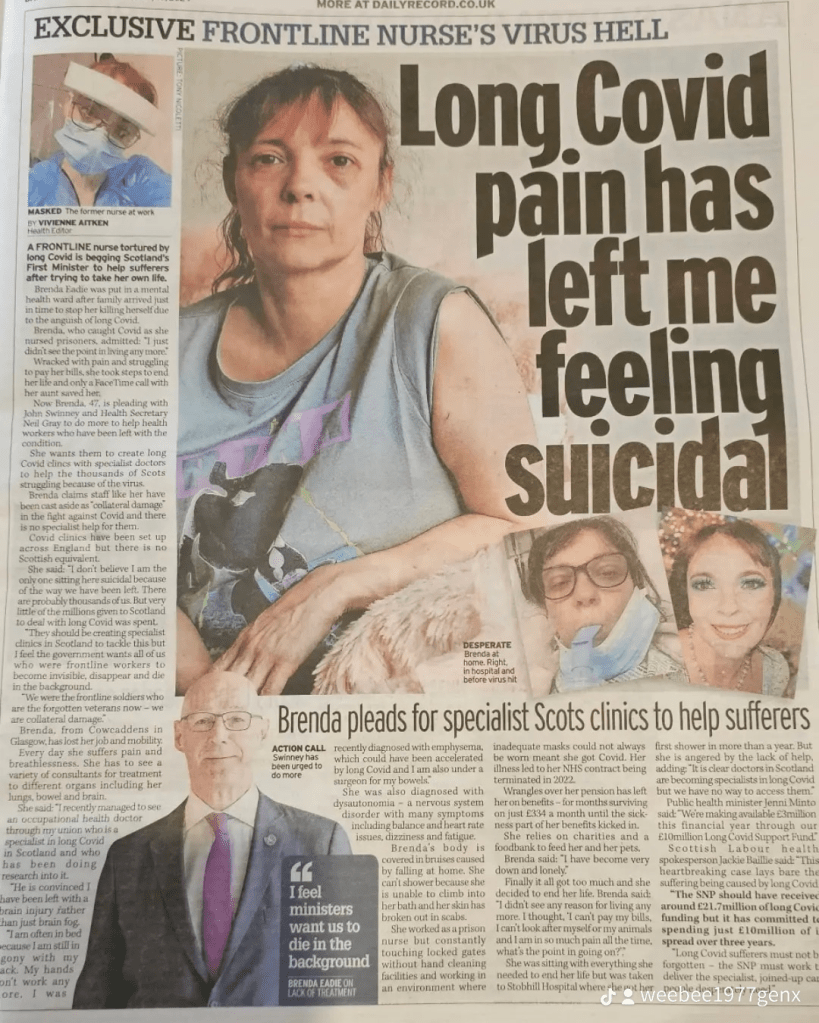
Source – Daily Record, 2024
Brenda Eadie, a Scottish nurse, had dedicated over 25 years to the NHS, giving everything she had to care for others. But when she contracted COVID-19 and developed long COVID, her life took a devastating turn. Exhausted and unable to recover fully, Brenda found herself spiraling into a deep mental health crisis. She couldn’t return to work, the physical and emotional toll overwhelming her. With no clear path to recovery and mounting pressure from the system, Brenda felt isolated, helpless, and increasingly desperate.
Her story took a tragic turn when she attempted suicide, feeling that there was no way out from the relentless burden that long COVID had placed on her life. While she survived, her story brought attention to the fact that nurses, especially those who have been on the front lines, are often left without the mental health support they desperately need.
Brenda Eadie’s story brings to light the deeper crisis affecting many nurses in Scotland—especially women—who are struggling under the weight of their roles, personal health crises, and the lack of mental health support within the system. Her battle with long COVID, leading her to attempt suicide, echoes the stories of countless others who feel overwhelmed by the pressures of the profession.
In Scotland, suicide remains a pressing public health issue, with women increasingly affected. According to Public Health Scotland, although men still account for the majority of suicide cases, there has been a notable rise in suicides among women. This troubling trend reflects the growing strain on women in both their personal and professional lives. Nurses, who are predominantly women, are at the intersection of this crisis, bearing the brunt of both physical and emotional exhaustion, which is exacerbated by the demanding nature of their work.
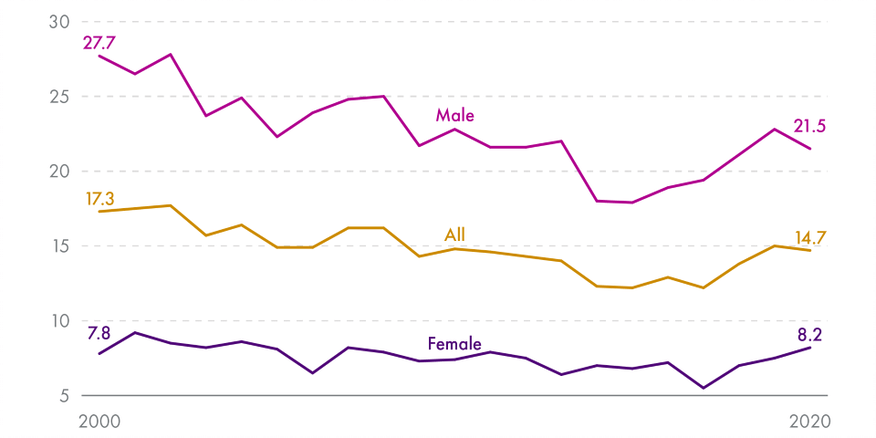
Figure 1 – All persons: Suicide rates per 100,000 population in Scotland (old coding rules)
- For males, the suicide rate per 100,000 population in Scotland (old coding rules) was 27.7 in 2000 and 21.5 in 2020. For females, the suicide rate was 7.8 in 2000 and 8.2 in 2020. For all persons, the suicide rate was 17.3 in 2000 and 14.7 in 2020.
The Scottish Suicide Information Database (ScotSID) highlights that healthcare professionals, particularly nurses, are frequently in contact with medical services prior to their deaths by suicide. Many, like Brenda, have endured significant stress due to personal health challenges, such as long COVID, or professional pressures, including long hours and lack of mental health support. Despite these warning signs, systemic support often fails to prevent these tragedies (Public Health Scotland). Nurses in Scotland are especially vulnerable due to the nature of their work. They often have access to means and knowledge of how to end their lives, which makes them a high-risk group. Furthermore, in remote areas like the Highlands and islands, where nurses often work in isolation, the mental health burden is even heavier. The ongoing pressures from the COVID-19 pandemic have only compounded this issue, as nurses were thrust into situations that exposed them to trauma and burnout, with little relief.
Brenda’s case, while tragic, is sadly not unique. Her story illustrates why the RESUME study is so critical. By examining decades of data on Scottish nursing suicides, it is possible to provide valuable insights into the mental health challenges faced by nurses, particularly women, and exploring the systemic failures that leave so many feeling they have no choice but to end their lives.
Funding for the RESUME study is not just about understanding the past—it’s about preventing future tragedies. The findings will help shape better mental health support for nurses and other healthcare workers, ensuring that no one else feels as isolated or desperate as Brenda did. In Scotland, where suicide rates among women and healthcare professionals are rising, this research is essential to protecting the well-being of those who care for the rest of us.
To learn more about Brenda Eadie’s story, visit the Daily Record.
Key References –
- British Medical Journal (BMJ), 2020. Editorial on nurse suicides and mental health in the NHS. BMJ. Available at: https://www.bmj.com [Accessed 10 October 2024].
- National Records of Scotland, 2022. Suicides in Scotland: 2021. National Records of Scotland. Available at: https://www.nrscotland.gov.uk [Accessed 10 October 2024].
- Nursing Times, 2021. Reports on nurse suicide rates. Nursing Times. Available at: https://www.nursingtimes.net [Accessed 10 October 2024].
- Office for National Statistics, 2021. Suicide by occupation, England and Wales, 2011-2019 registrations. Office for National Statistics. Available at: https://www.ons.gov.uk [Accessed 10 October 2024].
- Platt, S. et al., 2006. The Scottish Suicidality Study. Journal of Affective Disorders, 92(1), pp. 141-149.
- Public Health Scotland, 2021. A profile of deaths by suicide in Scotland 2011-2021. Public Health Scotland. Available at: https://www.publichealthscotland.scot [Accessed 10 October 2024].
- Public Health Scotland, 2023. Scottish Suicide Information Database (ScotSID). Public Health Scotland. Available at: https://www.publichealthscotland.scot [Accessed 10 October 2024].
- Samson, R. et al., 2015. Suicide rates among healthcare professionals in Scotland. Journal of Occupational Health, 57(5), pp. 439-446.
- Shah, A. & Bhandari, R., 2020. Occupational stress and suicidality in healthcare workers. International Journal of Nursing Studies, 58(3), pp. 115-121.
- The Daily Record, 2024. Scots nurse suffering from long COVID attempted suicide after NHS ‘failed her’. The Daily Record. Available at: https://www.dailyrecord.co.uk/news/scottish-news/scots-nurse-suffering-long-covid-33196226 [Accessed 10 October 2024].


Leave a Reply